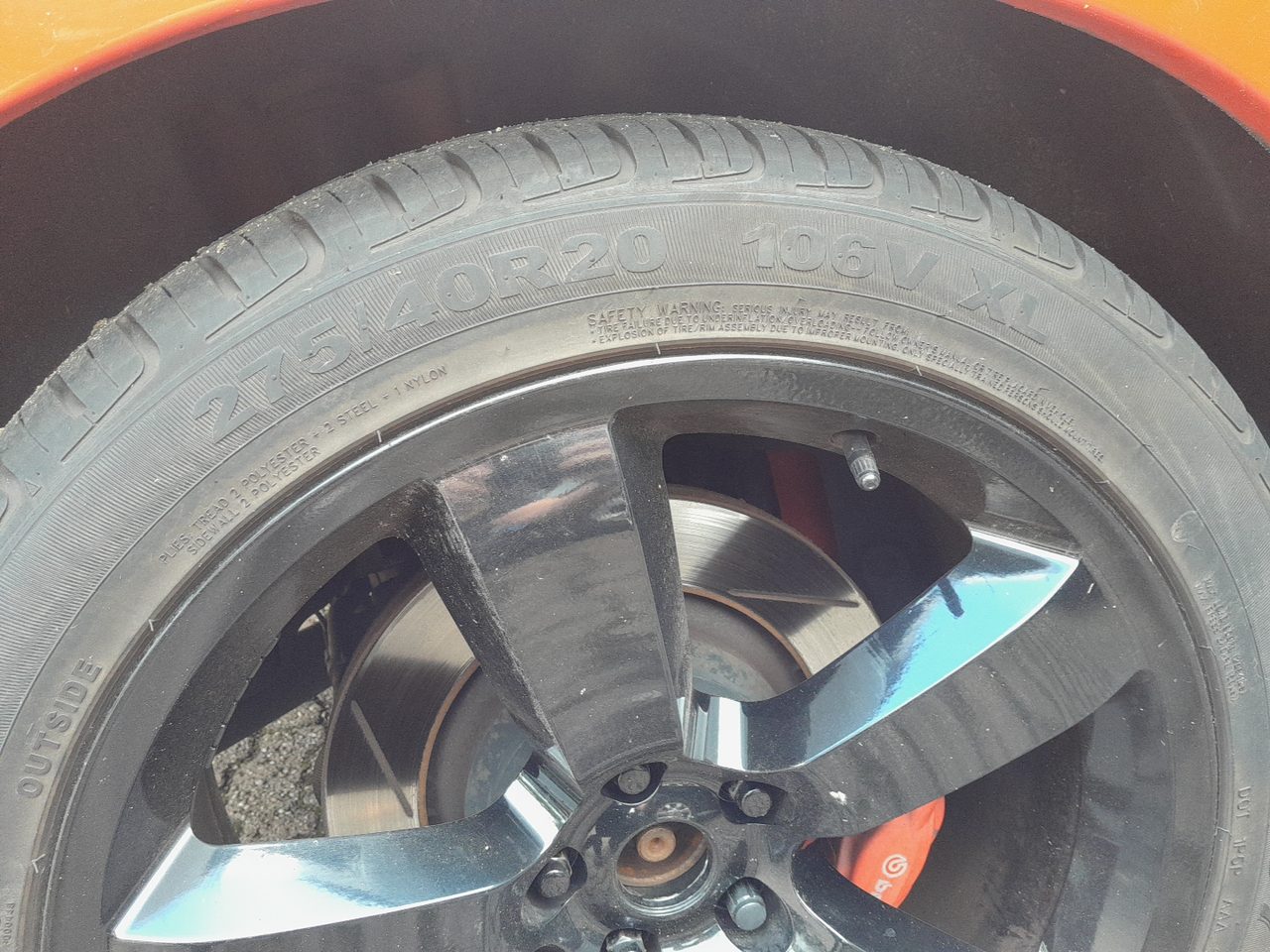
When shopping for new tires, you may notice some marked as XL (Extra Load) and others as SL (Standard Load). These letters indicate how much weight the tire can safely carry and how much air pressure it’s designed to hold. Choosing the correct type ensures your car performs safely and comfortably.
What Does SL Mean?
SL (Standard Load) tires are the default construction for most passenger cars. They are designed to carry a normal vehicle load up to their rated load index at a reference pressure of 2.5 bar (36 psi). These tires offer a comfortable ride and are ideal for everyday city or highway driving.
What Does XL Mean?
XL (Extra Load) tires have reinforced sidewalls and stronger internal layers that allow them to carry more weight. They can handle higher inflation pressures — up to a reference pressure of 2.9 bar (42 psi) — without deforming. XL tires are often used on:
- Heavier vehicles such as SUVs and vans
- Performance cars with large wheels
- Cars carrying frequent heavy loads
- Vehicles that require high-speed stability
XL vs SL: Main Differences
| Feature | SL (Standard Load) | XL (Extra Load) |
|---|---|---|
| Reference Pressure | 2.5 bar (36 psi) | 2.9 bar (42 psi) |
| Load Capacity | Normal (per load index) | +3–5% higher per load index |
| Sidewall Construction | Flexible | Reinforced / stiffer |
| Ride Comfort | Softer, smoother | Firmer, slightly harsher |
| Fuel Efficiency | Usually better (less weight) | May be slightly lower |
| Durability | Standard | Higher — better resistance to impact |
When to Choose XL Tires
- If your vehicle’s OEM tires were marked “XL,” always replace them with XL tires.
- If you frequently carry passengers or heavy luggage.
- If you drive on rough roads or at high speeds often.
- If you’ve upsized your wheels or installed larger rims.
Even if the load index number seems identical between an SL and XL tire, the XL version is designed for higher pressure and improved structural strength.
How XL shows up on the sidewall. Manufacturers don’t always print the letters “XL”. The same reinforced construction may be written out in full as EXTRA LOAD, or marked RF or Reinforced. They all mean the same thing — a stronger carcass rated for higher inflation — so check for any of these before assuming a tyre is standard load.
Pressure Recommendations
Because XL tires are stiffer, they often require slightly higher inflation pressure than SL tires to achieve the same ride characteristics. Use these as general guidelines:
| Tire Type | Typical Pressure Range |
|---|---|
| SL (Standard Load) | 2.2–2.5 bar (32–36 psi) |
| XL (Extra Load) | 2.6–2.9 bar (38–42 psi) |
Example: Switching from SL to XL
Suppose your OEM setup was 91V SL at 2.3 bar (33 psi). You upgrade to 94V XL tires. The new tires have a stronger carcass, so the equivalent pressure to maintain comfort and load balance would be around 2.5–2.6 bar (36–38 psi). This ensures correct deflection and heat distribution at higher loads.
Pros and Cons of XL Tires
| Pros | Cons |
|---|---|
|
|
Use the Calculator
To find your optimal pressure when switching between SL and XL tires, use our Tire Pressure Calculator for Non-Stock Sizes. It automatically adjusts for load index, construction type, speed rating, and temperature.
FAQ
Can I replace XL tires with SL ones?
Only if the load index and pressure capacity still meet or exceed your vehicle’s requirements. Replacing XL with SL may not be safe on heavier cars or SUVs.
Are XL tires noisier?
They can be slightly firmer and transmit more road vibration, but differences are minimal on well-insulated cars.
Do XL tires wear faster?
Not necessarily. If properly inflated, they can last as long or longer due to stronger sidewalls and better heat resistance.
Disclaimer
Values in this article are general industry guidelines. Always verify recommended pressures with your vehicle placard and tire manufacturer before adjusting inflation levels.
