Your tire’s speed index (or speed rating) doesn’t just define how fast you can safely drive—it also influences how much pressure the tire needs. High-speed driving generates heat, and the faster a tire turns, the more its internal air expands and the carcass flexes. Setting the right cold pressure keeps performance and safety within design limits.
What Is the Speed Index?
The speed index is a letter that appears after the tire size and load index. Example: 245/45R20 99V → V is the speed index. Each letter corresponds to a certified maximum speed according to ECE and ISO standards.
| Index | Max Speed (km/h) | Typical Vehicle |
|---|---|---|
| S | 180 | Family cars, vans |
| T | 190 | Family cars |
| U | 200 | Sports sedans |
| H | 210 | Sport sedans & coupés |
| V | 240 | High-performance cars |
| W | 270 | Luxury sports cars |
| Y | 300 | Supercars |
| (Y) | 300+ | Supercars / Track |
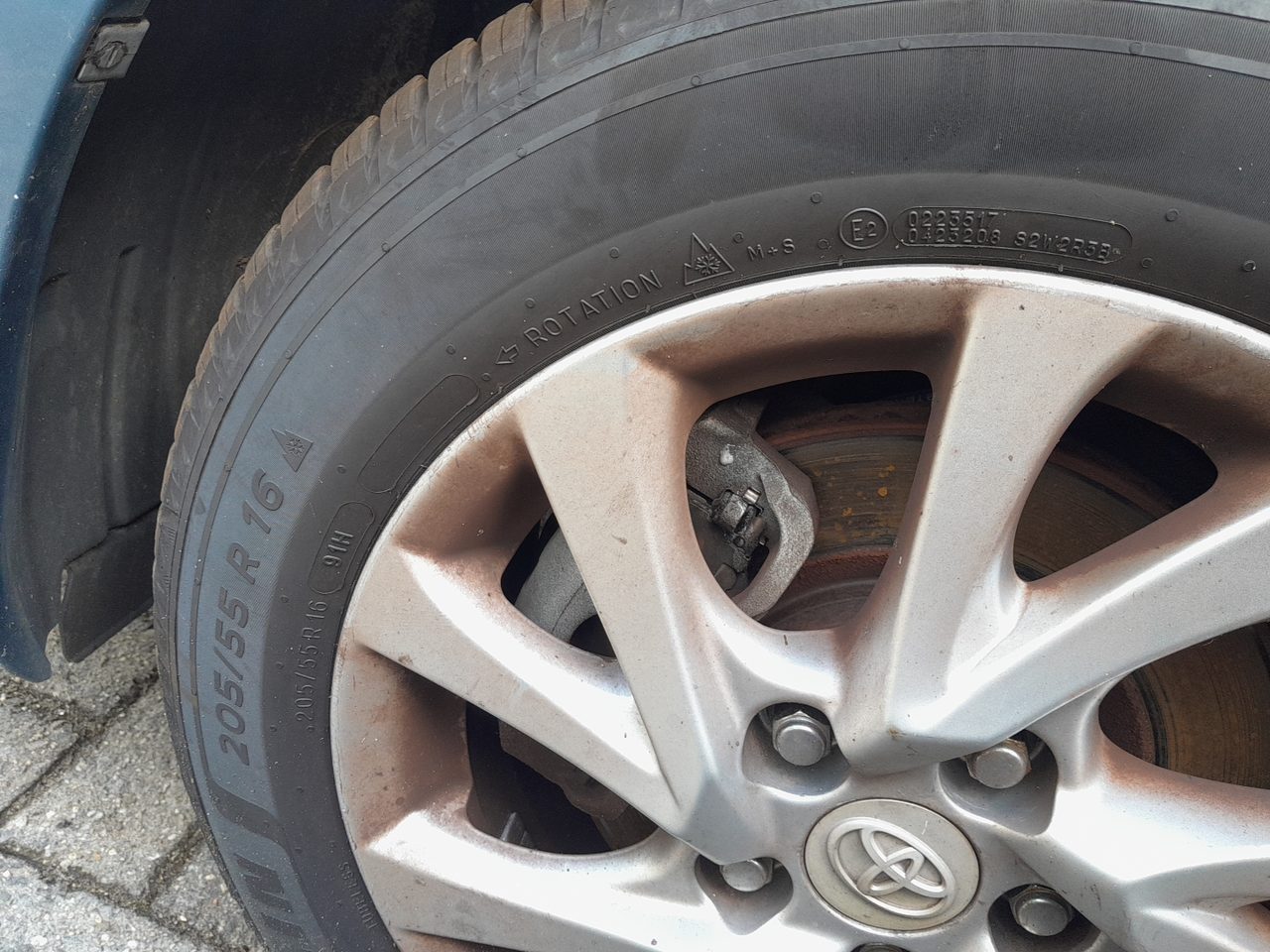
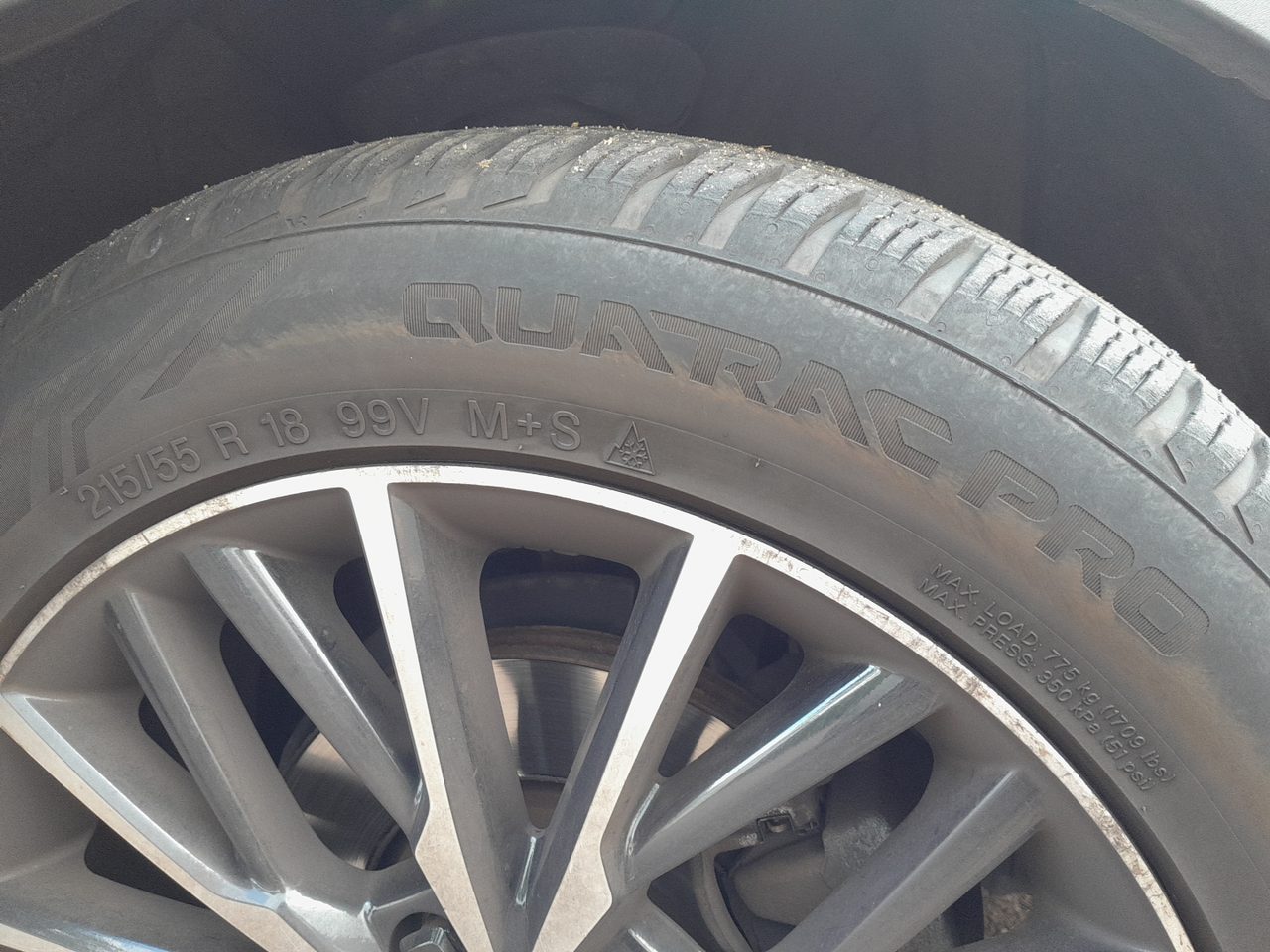
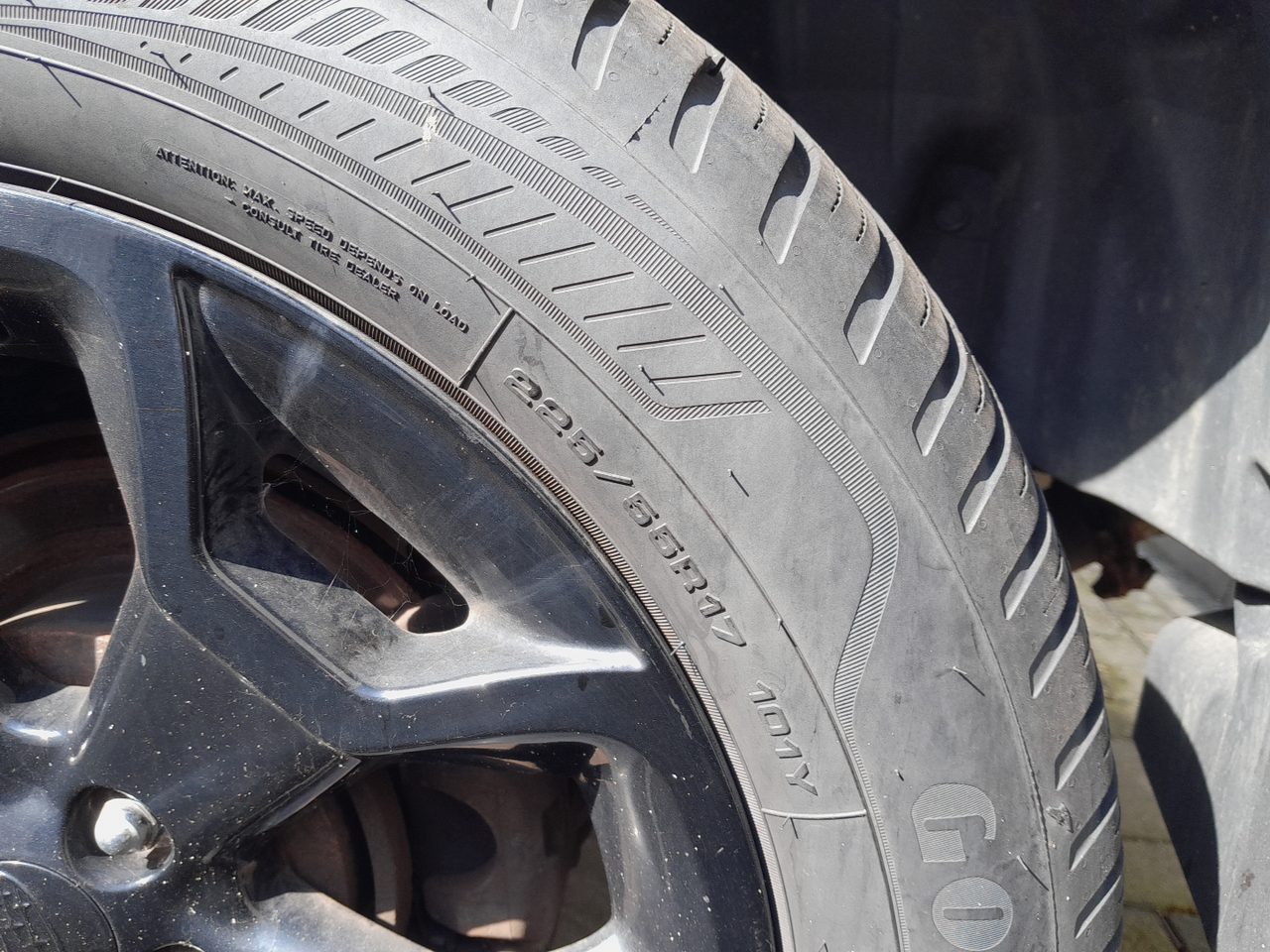
Those letters aren’t abstract — here are three of the common ratings moulded onto real tyres, from the everyday H up to the supercar-grade Y:
How Speed Rating Affects Pressure
Higher-rated tires (H, V, W, Y) are built with stronger belts and stiffer sidewalls to control flex at speed. To handle the extra heat and load, manufacturers recommend slightly higher pressures compared with lower-rated tires.
| Speed Range | Typical Adjustment |
|---|---|
| Up to 190 km/h (S–T) | Base OEM pressure |
| 200–240 km/h (U–V) | +0.2 bar (+3 psi) |
| 270 km/h + | +0.3–0.4 bar (+4–6 psi) |
Example: If your car’s placard says 2.2 bar (32 psi) for T-rated tires and you upgrade to V-rated tires, increasing to about 2.4–2.5 bar (35–36 psi) helps maintain stability and keep temperatures under control.
Pressure vs. Temperature
At high speed, the air inside your tires can heat up to more than 60 °C. Every 10 °C increase raises internal pressure by roughly 0.1 bar (1.5 psi). That’s why the recommended “cold pressure” is always measured before driving—after long highway runs, the warm reading will appear higher.
How to Read It on Your Tire
Look at the full sidewall code, for example:
275/40ZR20 106V XL
• 275 = tire width in mm
• 40 = aspect ratio (%)
• ZR = radial construction for high speed
• 20 = rim diameter (inch)
• 106 = load index (950 kg)
• V = speed index (240 km/h)
• XL = extra load (reinforced)
Why the Right Pressure Matters
- Too low: excess flexing and heat buildup → tread separation risk.
- Too high: smaller contact patch → reduced grip and uneven wear.
- Correct: stable handling, even wear, optimal braking.
Recommended Practice
- Always check pressure when tires are cold.
- Adjust for load and ambient temperature (+0.1–0.2 bar if heavily loaded or very cold).
- Never exceed the tire’s maximum rated pressure on the sidewall (e.g., 340 kPa / 50 psi).
Use the Calculator
Want to know the exact values for your setup? Use our Tire Pressure Calculator for Non-Stock Sizes. It automatically applies the correct speed-index correction factor and converts between bar, PSI, and kPa.
Disclaimer
This guide provides technical best-practice information based on ETRTO recommendations. Always confirm the final settings with your vehicle manufacturer and tire supplier.
