If you own a Peugeot, Citroën, DS, Vauxhall or Opel with the small PureTech petrol engine — the 1.0 or 1.2-liter three-cylinder turbo — you have probably heard about its “wet belt.” This guide explains what the wet timing belt is, which cars and engines use it, how it fails, the warning signs to act on, and what Stellantis has done about it — so you can protect your engine or buy a used one with your eyes open.
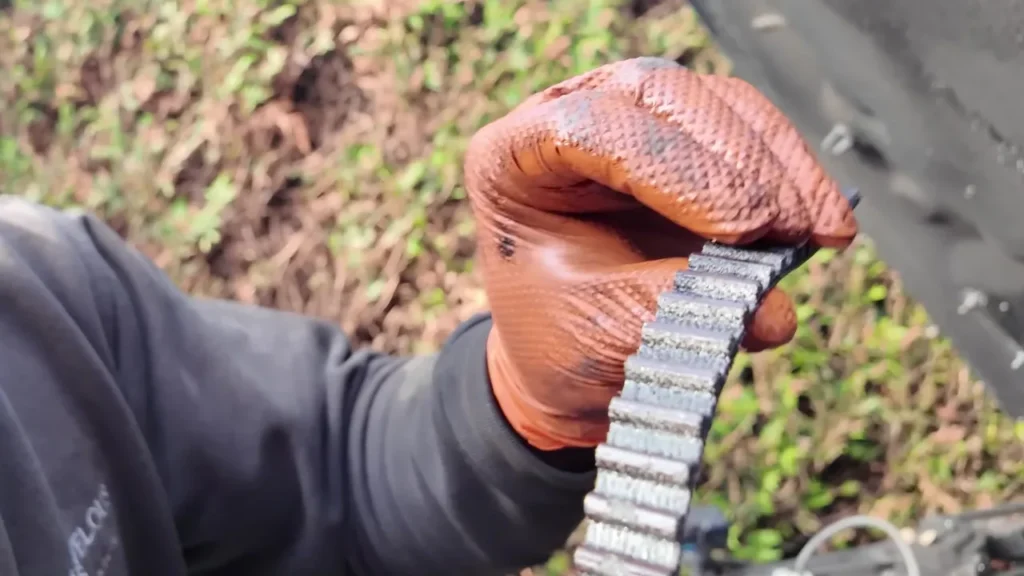
What is a “wet belt”?
A wet (belt-in-oil) timing belt runs inside the engine, bathed in oil, instead of in open air like a conventional dry belt. Carmakers use the design because running the belt in oil cuts friction and noise and allows a compact layout, which helps fuel economy and emissions on downsized turbo engines. On the PureTech, the same belt also helps drive the oil pump — which is a big part of why its failure is so damaging.
Which cars and engines are affected?
The issue affects the PSA/Stellantis PureTech 1.0 and 1.2 three-cylinder petrol engines (the “EB” family) built with a wet belt — broadly from 2012 to 2022. The affected engine codes include EB2, EB2F, EB2FA and the turbo EB2DT, EB2DTS, EB2ADTD and EB2ADTS.
| Brand | Models offered with the wet-belt 1.0 / 1.2 PureTech | Approx. years |
|---|---|---|
| Peugeot | 108, 208, 2008, 308, 3008, 5008, 408, Rifter | ~2012–2023 |
| Citroën | C1, C3, C3 Aircross, C4, C4 Cactus, C4 Picasso, C5 Aircross, Berlingo | ~2012–2023 |
| DS | DS3, DS3 Crossback, DS7 Crossback | ~2015–2023 |
| Vauxhall / Opel | Corsa F, Mokka, Crossland, Grandland, Astra, Combo | ~2019–2023 |
| Toyota (rebadged) | Aygo X, ProAce City | ~2014–2023 |
| Fiat / Jeep | Fiat 600, early Jeep Avenger | 2023 on (early build) |
These are the models that offered the engine — not every car has it, because many of these ranges also sold diesels, mild hybrids and larger petrols. If your car has the wet-belt PureTech, you will find it in guides for cars like the Peugeot 208, Peugeot 3008, Citroën C3, Vauxhall Corsa F and Vauxhall Mokka.
Belt or chain? Check the engine code, not the year
From 2023 Stellantis introduced a third-generation 1.2 PureTech that replaced the wet belt with a timing chain, starting with the 48-volt mild-hybrid versions and rolling out gradually. The chain engine carries the code EB2LTED (or EB2LTEDH2 on the hybrid).
Because the change follows the engine’s build date and not the registration year, a 2023–2025 car could still be either one. The only reliable check is the engine code on the cam-cover sticker: EB2LTED / EB2LTEDH2 is the chain (preferred); any other EB2 code is a wet belt.

Why the wet belt fails
The belt’s outer coating can break down early and shed small rubber particles into the engine oil. Those particles are then drawn toward the oil pump and clog the pickup strainer, choking off oil pressure. Starved of oil, the bearings, turbo and valvetrain suffer, and if the belt skips or snaps the pistons and valves collide — on these interference engines that usually means a ruined engine.
Crucially, the failure is driven more by oil condition than mileage. Short, cold trips dilute the oil with unburnt fuel, and that contaminated oil attacks the belt faster — so missed oil changes and lots of short journeys make things much worse.
Warning signs to watch for
Caught early, a wet belt can be replaced before it destroys the engine. Owners and specialists commonly report, roughly in the order they appear:
- A rattle, whine or ticking on cold start from the timing end — often the first clue.
- Rising oil consumption, a burnt or fuel-like smell, or oil that looks thick and dark.
- An oil-pressure or oil warning light, or an engine management light with timing/VVT fault codes (such as P0011, P0014 or P0016).
- Misfire, power loss or limp mode.
- Rubber debris in the sump or on the oil strainer — usually found at inspection, and a late-stage sign.
Treat a sudden oil-pressure warning or power loss as a stop-driving event — on these engines it can precede total failure within minutes. Pull over safely and switch off.
How the replacement interval changed
The wet belt was originally promoted as a very long-life item. After premature failures, the recommended replacement interval was cut to about 6 years or 100,000 km (around 62,000 miles), whichever comes first. Many independent specialists go further and suggest 4–6 years or 60,000–100,000 km, and sooner for cars used mostly on short urban trips, because some belts have failed well before 60,000 km.
What Stellantis has done
Stellantis has acknowledged the problem and taken two steps that owners should know about:
- Extended warranty (from March 2024): coverage on the earlier PureTech 1.0/1.2 engines was extended to up to 10 years or 180,000 km, with 100% of parts and labor, for excessive oil consumption and/or premature belt degradation. It is conditional on the car having been serviced to schedule and diagnosed and repaired within the authorized network.
- Compensation portal (from May 2025): an online platform (stellantis-support.com) was opened, including for the UK, to reimburse out-of-pocket costs for excessive oil consumption and/or premature timing-belt failure incurred between 1 January 2022 and 31 December 2024.
Reports of group legal action have appeared in France and Spain, and UK consumer and legal interest is forming; these are reported rather than settled. Keeping full service records is important, because they are a condition of the warranty and compensation schemes.
One point of accuracy: a separate UK recall of around 44,000 cars concerns a fire risk from an emissions pipe contacting the 48-volt starter-generator. That is a different fault from the wet belt — don’t confuse the two.
What owners should do
- Change the oil early and often — many specialists advise roughly yearly or every 10,000 km, sooner for short-trip cars — using the correct PSA-approved low-SAPS oil for your engine (check your handbook for the exact specification).
- Replace the wet belt early — at the revised 6 years / 100,000 km, or sooner on urban cars — and have the oil pump pickup and water pump checked or renewed at the same time, as they can already be contaminated.
- Listen for cold-start rattle and keep an eye on the oil level and consumption; act on any oil-pressure warning immediately.
- Keep every service receipt to protect your warranty and any compensation claim.
Buying a used PureTech car
- Check the engine code on the cam-cover sticker: EB2LTED / EB2LTEDH2 means the newer chain engine; any other EB2 code is a wet belt.
- Ask whether the belt has been replaced, at what mileage, and insist on a full oil-change history.
- Prefer a post-2023 chain car, or a wet-belt car with documented recent belt and oil-pump work; otherwise budget for belt replacement.
Not every modern small Vauxhall or Peugeot uses this engine — and some models skip the PureTech altogether. The Vauxhall Insignia, for example, used GM and later PSA engines that are chain or dry-belt driven, so it avoids the wet-belt issue entirely. Ford owners face a similar issue — see our guide to the Ford EcoBoost wet belt.
Frequently asked questions
Which cars have the PureTech wet belt?
The 1.0 and 1.2 PureTech wet belt was fitted across Peugeot (108, 208, 2008, 308, 3008, 5008 and more), Citroën (C3, C4, C5 Aircross, Berlingo and others), DS (DS3, DS3 Crossback, DS7 Crossback), Vauxhall/Opel (Corsa F, Mokka, Crossland, Grandland, Astra, Combo) and rebadged Toyotas (Aygo X, ProAce City), broadly from 2012 to 2022. Confirm your car by its engine code rather than its year.
Does my PureTech have a belt or a chain?
Check the engine code on the cam-cover sticker. EB2LTED or EB2LTEDH2 is the newer timing-chain engine introduced from 2023; any other EB2 code (EB2DTS, EB2ADTS and similar) is a wet-belt engine. The registration year alone is not reliable because the changeover followed the build date.
How much does a PureTech wet belt change cost?
In the UK, a wet-belt replacement typically runs into several hundred pounds because the job involves removing the oil-side timing cover and often renewing the oil pump pickup and water pump at the same time. It is far cheaper than an engine, so it is worth doing on time. Check whether your car still qualifies for the Stellantis extended warranty first.
Should I avoid buying a PureTech engine?
Not necessarily. A well-maintained wet-belt car with a documented early belt change and frequent oil services can be fine, and the newer chain-driven PureTech largely resolves the issue. The cars to be wary of are neglected wet-belt examples with patchy service history — budget for belt and oil-pump work, or choose a post-2023 chain engine.
Is the PureTech wet belt the same as the fire-risk recall?
No. The wet-belt problem is about premature timing-belt wear and oil contamination. The separate recall concerns a fire risk from an emissions pipe touching the 48-volt starter-generator on certain cars. They are two different issues.
