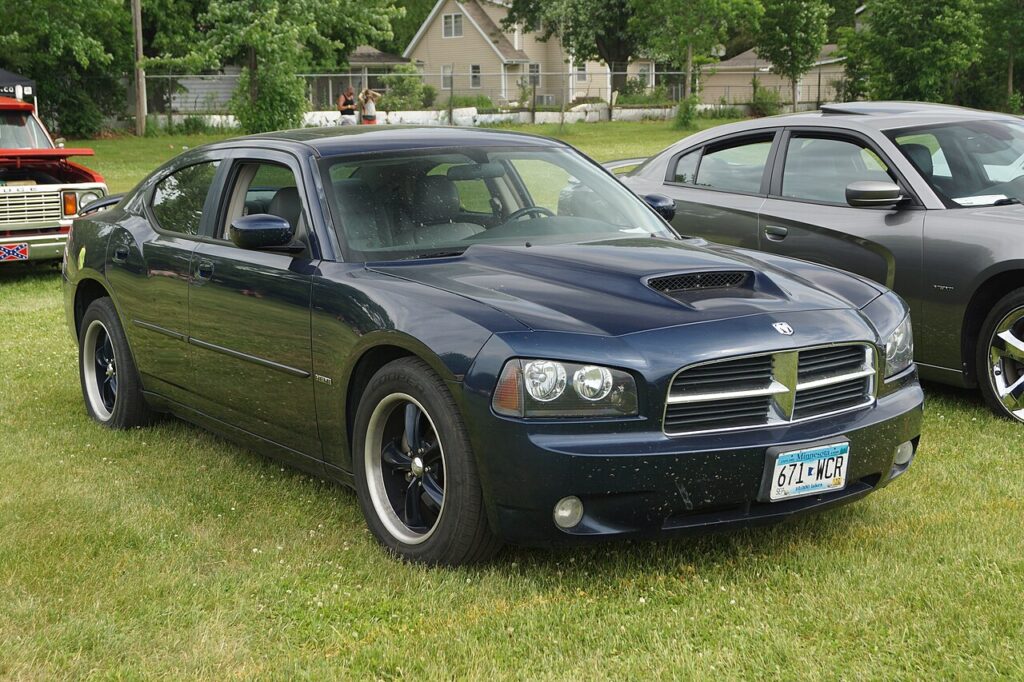
These instructions apply to the Dodge Charger Mk6 (LX) 2006-2010.
For other models, please choose your vehicle here.
The Dodge Charger LX (2006–2010) uses a hydraulic brake system that relies on DOT 3 brake fluid. Because the brakes convert your foot pressure into hydraulic pressure at all four wheels, the fluid level in the reservoir is directly tied to how safely the car stops. Checking it is a two-minute job that any owner can do at home, and it is one of the easiest ways to catch a developing problem early. This guide explains how to read the reservoir, top it up correctly if it is low, and recognise the warning signs that mean something more than a top-up is needed.
Why the Level Changes
Brake fluid is not consumed the way oil or coolant can be, so in a healthy system the level stays fairly steady. A slow, gradual drop is normal and expected: as your brake pads wear down, the calliper pistons sit further out and hold a little more fluid, so the reservoir level falls slightly over the life of a set of pads. A sudden or large drop is different — that points to a leak somewhere in the lines, callipers, or master cylinder, and it should be investigated before you drive. This is why the level is worth a quick glance every few weeks rather than only at service time.
What You Need
- Clean rag or paper towel
- New, unopened bottle of DOT 3 brake fluid (or an approved equivalent)
- Funnel (optional, with a narrow tip)
- Gloves and eye protection
Before You Begin
- Park on a level surface and switch the ignition OFF so you get an accurate reading.
- Let the engine cool if it has been running, so you are not working over hot components.
- Only open a fresh, sealed bottle of fluid — brake fluid absorbs moisture from the air very quickly once opened.
- Wear gloves and eye protection; brake fluid is corrosive to skin, eyes, and paintwork.
Locate the Brake Fluid Reservoir
- Open the hood.
- The brake fluid reservoir is a translucent plastic tank located on the driver’s side firewall, directly in front of the brake master cylinder.
- The cap is labeled “Brake Fluid”.

How to Check Brake Fluid Level
- Park on a level surface and switch the ignition OFF.
- Look at the translucent reservoir without removing the cap.
- The fluid should sit between the MIN and MAX marks.
- If fluid is at or below MIN, topping up is required. Low fluid may also indicate worn brake pads or a leak.
How to Add Brake Fluid
- Wipe dirt off the reservoir cap before opening to prevent contamination.
- Unscrew the cap carefully.
- Add DOT 3 brake fluid (or equivalent) slowly until the level is just below the MAX line. Do not overfill.
- Replace the cap tightly and wipe away any spills immediately — brake fluid can damage paint.
If the Pedal Still Feels Wrong
- A soft or spongy pedal after topping up usually means air has entered the system — the brakes will need bleeding to restore a firm pedal.
- If the level drops again soon after filling, do not keep topping it up. Have the lines, callipers, and master cylinder checked for leaks.
- A brake warning light that stays on can indicate low fluid or a hydraulic fault, so treat it as more than a nuisance.
- Fluid that is dark, cloudy, or smells burnt is past its life and should be replaced rather than just topped up.
Inspection & Maintenance Notes
- Brake fluid should be clear to light amber. Dark, cloudy, or burnt-smelling fluid indicates it should be replaced.
- Dodge recommends replacing brake fluid approximately every 2 years, regardless of mileage.
- If you frequently add fluid, have the system inspected for leaks or worn brake pads.
Safety Tips
- Never mix different fluid types — always use DOT 3 for the 2006–2010 Charger LX.
- Do not reuse old fluid from an opened container (it absorbs moisture quickly).
- A soft or spongy brake pedal after topping up indicates air in the system — bleeding may be required.
Frequently Asked Questions
What brake fluid does the 2006–2010 Dodge Charger use?
The LX Charger of this era uses DOT 3 brake fluid. You can use an equivalent DOT 3 that meets the correct specification, but avoid mixing fluid types. Always fill from a fresh, sealed bottle, because brake fluid draws in moisture from the air the moment it is opened.
Why is my brake fluid low?
The most common reason is normal pad wear — as the pads thin, the callipers hold more fluid and the reservoir level slowly falls. If the drop is sudden or large, suspect a leak in the lines, callipers, or master cylinder and have it checked before driving, rather than simply topping the reservoir up again.
Can I just keep topping up instead of fixing a leak?
No. Topping up masks the real problem, and a hydraulic leak can worsen quickly, leading to a soft pedal or loss of braking. If you find yourself adding fluid regularly, the system needs inspecting for leaks or badly worn pads. The level should stay stable for a long time on a healthy car.
How do I know if the fluid needs changing rather than topping up?
Look at the colour. Fresh DOT 3 is clear to light amber. If it looks dark, cloudy, or smells burnt, it has absorbed moisture and heat over time and should be replaced. Dodge suggests a change roughly every two years regardless of mileage, since old fluid lowers the boiling point and hurts braking.
The pedal feels spongy after I topped up — what happened?
A spongy or low pedal usually means air got into the hydraulic system, often because the level was allowed to drop too far. Air compresses where fluid does not, so the brakes feel soft. The fix is to bleed the brakes to purge the air, which restores a firm pedal — a top-up alone will not cure it.
Is checking brake fluid something I can safely do myself?
Yes. Reading the level through the translucent reservoir needs no tools and no dismantling, and topping up is straightforward if you keep dirt out and avoid overfilling. What you should not attempt casually is bleeding the brakes or chasing a leak — those affect stopping safety and are best left to someone experienced if you are unsure.
Disclaimer: This guide is for general information. Always follow safety procedures when working on brake systems. If in doubt, consult a qualified technician. If a brake or ABS warning light is on, reading the stored fault code helps — our sister site autodtcs.com explains what common trouble codes mean.
Independent guide — not affiliated with Dodge. Always follow your official service manual and safety precautions. Read our full disclaimer.